


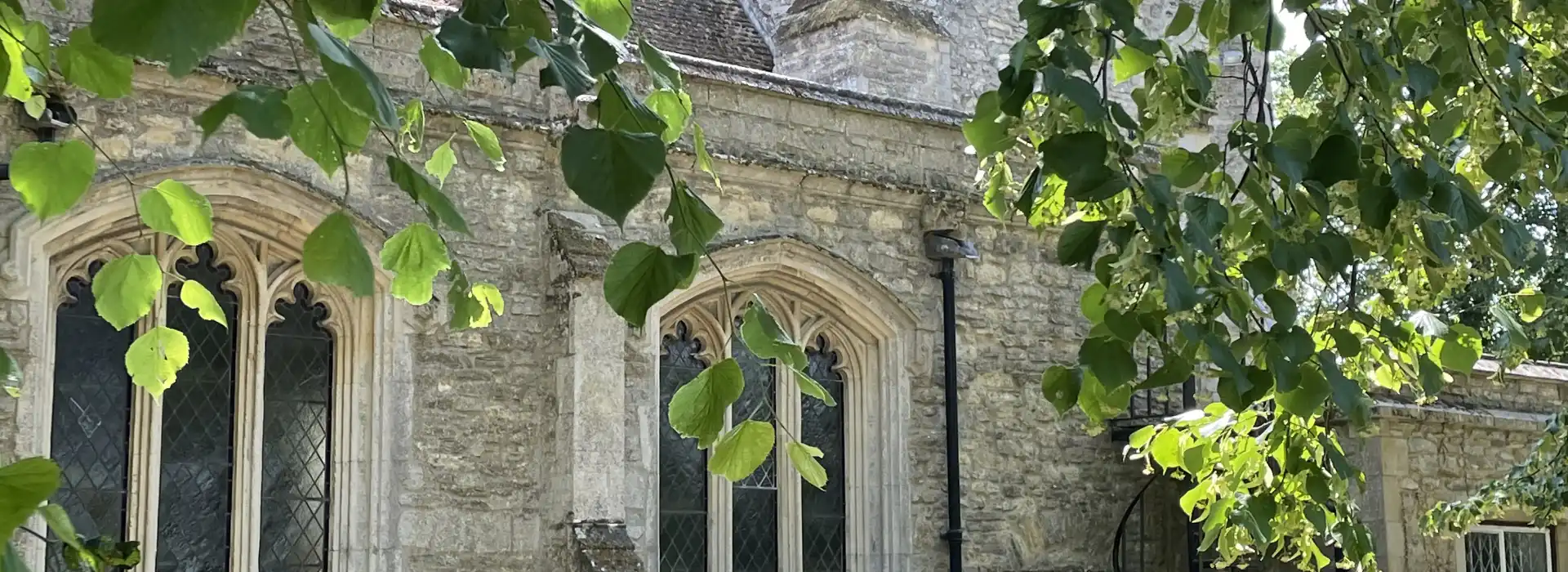
The church, as the largest and most enduring structure in the village, served as the central hub for community life, whether events took place inside or in the surrounding churchyard. Village life was closely tied to the rhythm of the agricultural seasons and the Christian calendar, including key observances like Lent, Easter, the feast of St James, Advent, and Christmas. The church’s primary role was to offer spiritual guidance, and villagers were expected to attend worship services three times each Sunday. The rites of baptism, marriage, and burial were essential parts of life and the church’s function.
When churches were expanded in the 14th century, it allowed space for processions, and stone sedilia (seats) were added for the officiating priests. Congregants, however, stood or knelt on the bare earth floor, which may have been covered with rushes for some comfort. Lighting came from candles or rush lights, and warmth was provided by charcoal braziers.
By the 13th century, parishioners had taken on responsibility for maintaining the parish church, while the chancel remained under the care of the priest. The church porch was especially important, serving both religious and secular purposes. It hosted parts of religious ceremonies such as marriages and the churching of women after childbirth, but it was also a venue for practical affairs—settling debts, signing contracts, and displaying public notices—making it a lively and multifunctional space.
Church life also brought moments of brightness and relief to an otherwise difficult and repetitive rural existence. Saints’ feast days, religious processions, rituals, plays, and church decorations brought colour, music, and light—offering not only spiritual meaning but also hope and opportunities for celebration in the villagers’ daily lives.
Huge thanks to Katherine Fricker, Mary McKeown and Diana Toyn for the exquisitely written “The Village of Biddenham through the Ages” book and to Mary for granting permission to use fragments in the writing of this section.